One-Fifth of the Way There
With last week’s posting of the Florida entry in the State-By-State series, we’re roughly 1/5th of the way through the U.S. states and territories. Now might be a good time for me to catch my breath, perhaps update the stated goals and purpose of the series and this may be a good opportunity to point out some changes that have already been made to the individual state entries already posted.
Statistics, Personal Narratives and Illustrations
Initially, I’d made it clear that I planned to rely heavily on the individual summaries of state CCC work found in Perry Merrill’s book Roosevelt’s Forest Army and I’ve done so. However as the postings have progressed, I’ve found that three Annual Reports in my collection are serving as a very useful set of source materials to supplement Merrill’s snapshot of state work. This has had the effect of making the posts a bit heavy on numerical statistics and lighter on individual camp accomplishments, which may not be a benefit to the casual reader, however I’m hoping that the more detailed camp totals, work statistics and enrollment numbers represent data that is largely unavailable to local researchers – especially to high school and undergraduate students – who may be seeking obscure statistical data for papers, reports or presentations. The sort of information that may be boring to most readers will be a boon to the occasional scholar who seeks to include such details in their work. As an extension of this, if you are a scholar who is doing research and you’d like to have scanned images from the Annual Reports that I cite in the State-By-State series, post a comment and let me know how to reach you and I’ll gladly do what I can to get the information to you. (I wouldn’t have called this a “resource” page if I hadn’t intended to share useful – if sometimes mundane – information.)
Initially, I’d made it clear that I planned to rely heavily on the individual summaries of state CCC work found in Perry Merrill’s book Roosevelt’s Forest Army and I’ve done so. However as the postings have progressed, I’ve found that three Annual Reports in my collection are serving as a very useful set of source materials to supplement Merrill’s snapshot of state work. This has had the effect of making the posts a bit heavy on numerical statistics and lighter on individual camp accomplishments, which may not be a benefit to the casual reader, however I’m hoping that the more detailed camp totals, work statistics and enrollment numbers represent data that is largely unavailable to local researchers – especially to high school and undergraduate students – who may be seeking obscure statistical data for papers, reports or presentations. The sort of information that may be boring to most readers will be a boon to the occasional scholar who seeks to include such details in their work. As an extension of this, if you are a scholar who is doing research and you’d like to have scanned images from the Annual Reports that I cite in the State-By-State series, post a comment and let me know how to reach you and I’ll gladly do what I can to get the information to you. (I wouldn’t have called this a “resource” page if I hadn’t intended to share useful – if sometimes mundane – information.)
Another benefit to using numbers from the Annual Reports as companion data for the project information in Roosevelt’s Forest Army has been the ability to compare Merrill’s “snapshot” of CCC work against the “snapshot” of work shown in the annual reports for 1937, 1939 and to a lesser degree, 1942. The comparisons aren’t meant to validate or discredit Merrill’s numbers, but more to show trends in the program between 1933 and 1942. Merrill’s state work summaries typically list an average number of camps in a state, where the Annual Reports for 1937 and 1939 provide a more detailed breakdown of the camp totals for their respective fiscal year. An average is useful, but I hope that researchers will find it’s also useful to know if the totals for 1937 and 1939 are above or below the average cited by Merrill.

To offset some of the heavily statistical information in the individual posts, I’m working to include personal histories of CCC enrollees whenever possible, and will go back to add those personal histories to the state’s already posted when necessary. One great source of these personal narratives has been the book Youth Rebuilds, which was published in 1934. I’m also throwing in data on selected cases of CCC fatalities in each state as they become available.
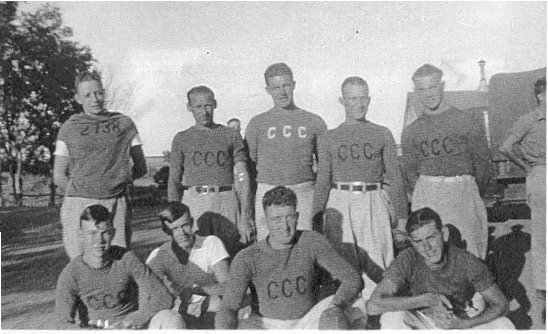
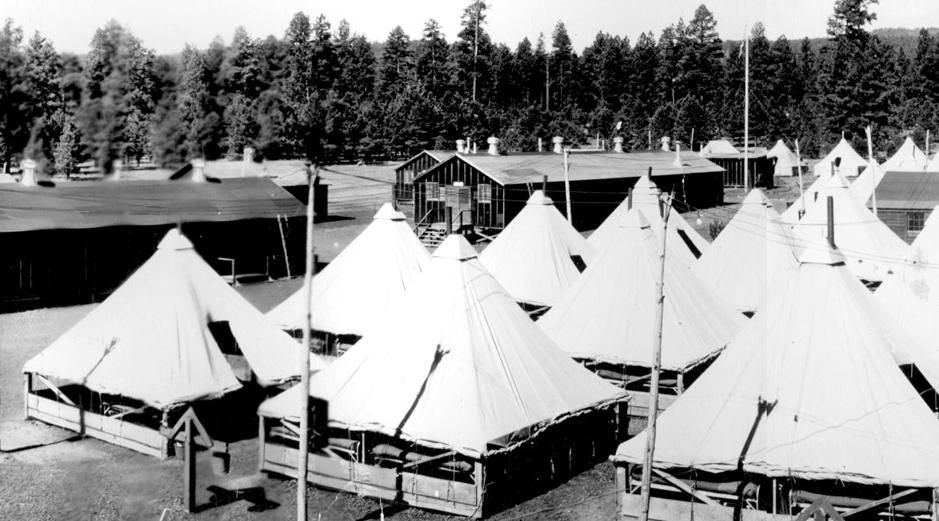
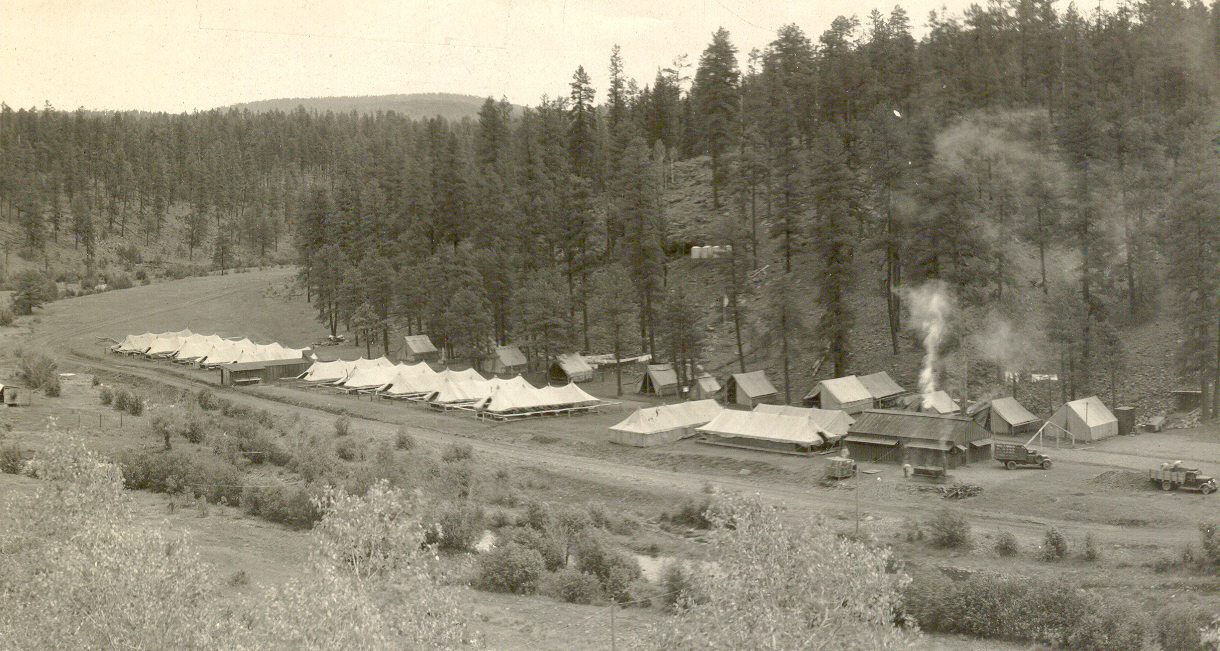
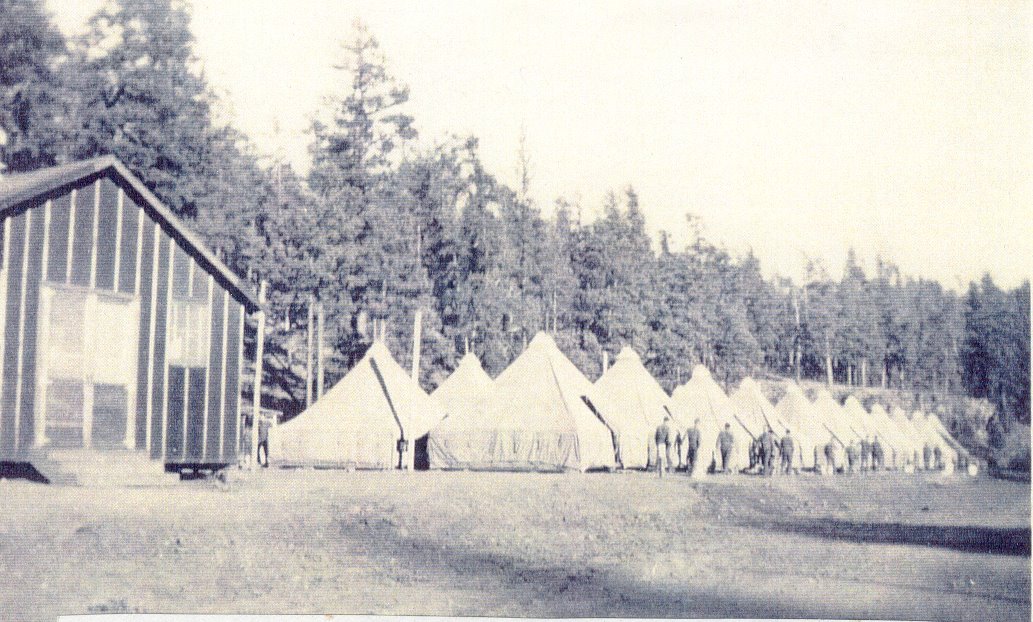
Something else that I’ve found as I’ve worked through the first 10 state articles is that photographs aren’t always easily accessible or those photos that may be available are covered in copyright restrictions. I’m not in the habit of pirating images from other sites, so more than likely you’ll find that I include links to sites that have useful or interesting photos of CCC work in particular states, rather than lifting the images from those sites for use here at the CCC Resource Page. Ultimately, visitors here will have to choose whether or not they choose to use images found on linked sites. This issue has become more important to me lately, as I’ve seen some of my own work and images used on other sites without a proper citation (to say nothing of the fact that the user took the material without asking first). With this in mind, visitors here need to keep me honest, too. If you see images or references not properly cited or credited here at the CCC Resource Page, please post a comment explaining the problem so that I can remedy the situation.
Updates to Past Posts
Something else that I’ve found as I’ve worked through the first 10 state articles is that photographs aren’t always easily accessible or those photos that may be available are covered in copyright restrictions. I’m not in the habit of pirating images from other sites, so more than likely you’ll find that I include links to sites that have useful or interesting photos of CCC work in particular states, rather than lifting the images from those sites for use here at the CCC Resource Page. Ultimately, visitors here will have to choose whether or not they choose to use images found on linked sites. This issue has become more important to me lately, as I’ve seen some of my own work and images used on other sites without a proper citation (to say nothing of the fact that the user took the material without asking first). With this in mind, visitors here need to keep me honest, too. If you see images or references not properly cited or credited here at the CCC Resource Page, please post a comment explaining the problem so that I can remedy the situation.
Updates to Past Posts
Since starting the State-By-State series at the first of the year, I’ve revised just two entries: Alabama and Arkansas. The Alabama entry was updated to include more information regarding Robert Pasquill’s book The Civilian Conservation Corps in Alabama – specifically its lack of detailed references to racism in the CCC. The Arkansas entry was updated to include a better explanation of monthly enrollment figures. Additionally, I added a brief discussion of racism in the selection and deployment of black enrollees in Arkansas. In both cases, the new information on racism grew out of a post I did in honor of Black History Month over at the Forest Army blog.
To date, roughly two and a half months into this project, I’ve not had any comments posted regarding the State-By-State series, however it seems that visitor hits are higher lately on average. Please, if you enjoy something you see here, if something was especially helpful to you in your research, if you have questions or need greater detail, or if you wish to offer constructive criticism, please leave a comment and if you need more information, make sure there’s some way I can contact you. My goal with this blog is to create a resource for CCC researchers of all ages, to help grade schoolers, high schoolers and college scholars in their search for information on the Civilian Conservation Corps.