 |
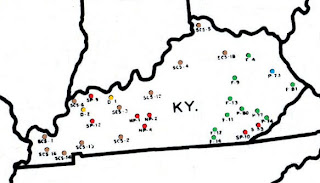
| 1938 Camp Map for Kentucky |
If you are looking for detailed information on the work of
the CCC in Kentucky, you’re really in luck because there is at least one book
devoted to CCC work in that state. Kentucky’s Civilian Conservation Corps by
Connie M. Huddleston will be a boon to anyone researching Kentucky’s CCC work;
the photos and illustrations alone make it a real treasure. I am especially drawn to Huddleston’s text
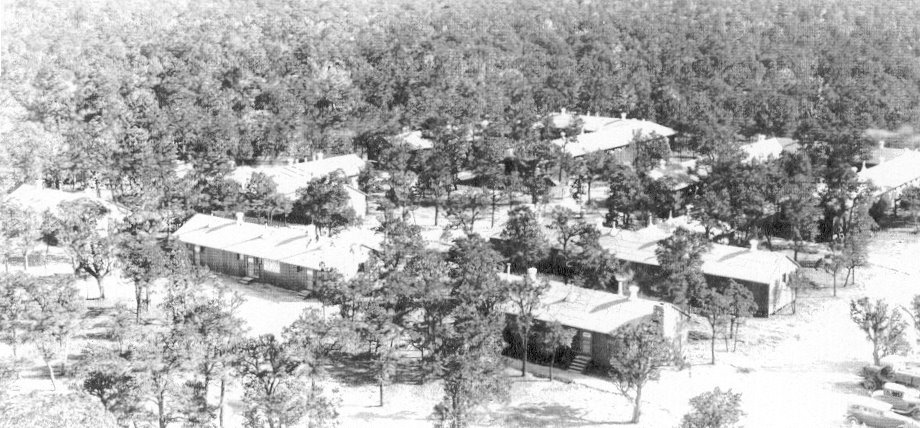
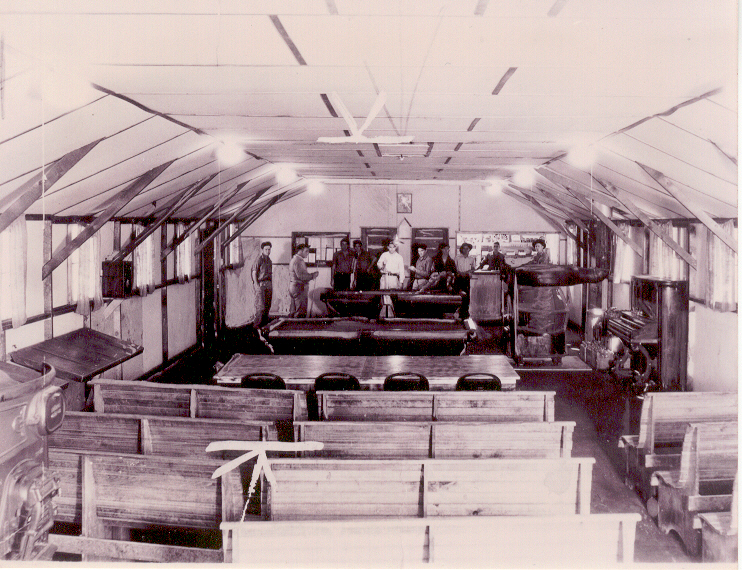
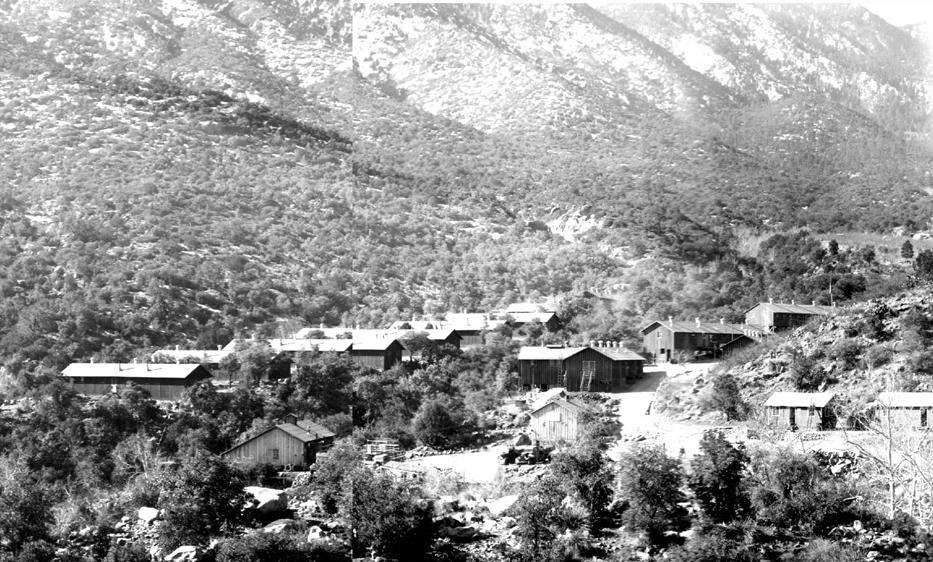
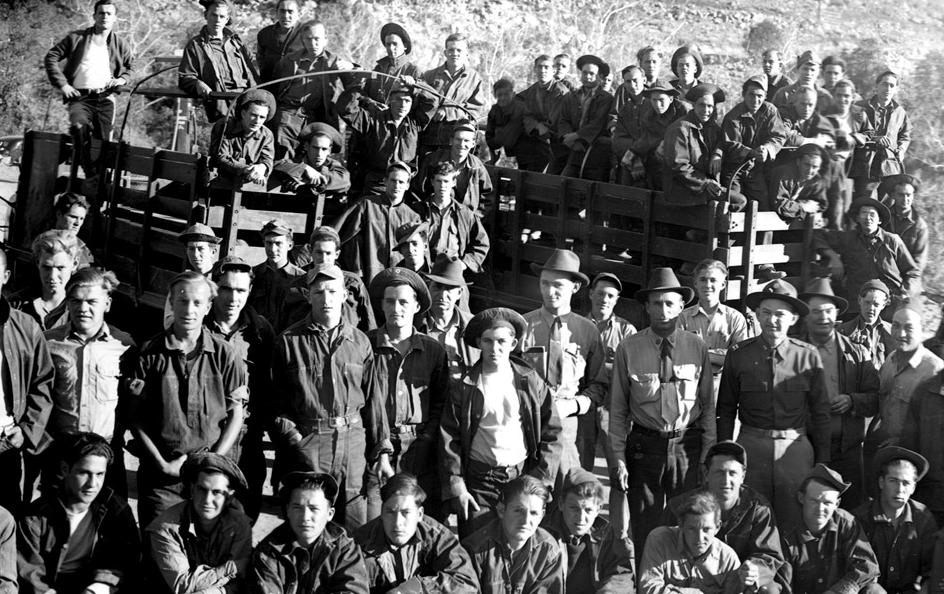
and photos related to the work of the CCC at Cumberland Falls State Park. A few years ago, the annual Civilian
Conservation Corps reunion was held at Cumberland Falls State Park so in the
case of Kentucky, I have some photos of my own to share. To access an article about the reunion that I
posted at the Forest Army blog back in 2007, click here.
Huddleston notes that the first CCC camps established in
Kentucky were those at Cumberland Falls and Mammoth Cave and that by October
1935 a total of 35 camps had been opened in the Bluegrass State. More to the point, Perry Merrill provides a
snapshot of camp totals in his book Roosevelt’s
Forest Army. According to Merrill,
there were 44 CCC camps in Kentucky in June 1937. This total is likely taken from the annual
reports published by the U.S. Government Printing Office in Washington, D.C. The Annual Report of the Director of
Emergency Conservation Work for fiscal year ended June 30 1937 gives the
breakdown of camps by types in Kentucky exactly as reported by Merrill,
specifically:
 |
| CCC-built bench and steps, Cumberland Falls, KY |
National Forest Camp: 8
State Forest Camps: 1
Private Forest Camps: 8
Agricultural Engineering Camps: 2
Soil Conservation Camps: 14
National Parks Camps: 4
State Park Camps: 6
Military Reservation Camps: 1
The total monthly enrolled strength for enrollees entering
the CCC from Kentucky in fiscal year 1937 was reported as follows:
July 1936:
11,272
August 1936:
10,750
September 1936:
8,907
 |
Ft Knox CCC Conditioning Camp, 1934
(Click to enlarge.) |
October 1936:
13,289
November 1936:
12,779
December 1936:
12,158
January 1937:
12,901
February 1937:
12,342
March 1937:
8,392
April 1937:
12,641
May 1937:
12,014
June 1927:
10,956
The Annual Report of
the Director of the Civilian Conservation Corps for fiscal year ended June
30, 1939 reported that the total number of camps in Kentucky was down to 28,
broken down as follows:
National Monument Camps: 3
State Park Camps: 3
National Forest Camps: 4
State Forest Camps: 1
Private Forest Camps: 5
Agricultural Engineering Camps: 2
Soil Conservation Service Camps: 10
It is worth noting that along with the lower number of camps
in Kentucky in fiscal year 1939 compared to fiscal year 1937, the number of
enrollees joining the CCC from Kentucky each month was also significantly lower
in 1939; just 7,631 in July 1938, 7,271 in November 1938, 7,111 in January 1939
and 4,169 in March of 1939. One might
speculate as to the reason behind such a drop in enrollment numbers from 1937
to 1939 (the enrollment count for Kentucky in March 1939 was only about half of
what it was compared to March 1937).
Perhaps the economy was improving, perhaps there were more agricultural
jobs available for seasonal workers. Perhaps
Kentucky’s quota of enrollees had been reduced.
We do know that by 1939 enrollees from eastern states, including
Kentucky, were being shipped out to the western United States where there was a
greater need for their labor.
In his book The
Civilian Conservation Corps, 1933-1942, John Salmond points to an even more
compelling reason for a decline in enrollment numbers between 1937 and
1939. After some four years of priming
the nation’s economic pump, the Roosevelt administration was desperate to rein
in spending and to balance its budget.
Consequently, in late 1937 CCC Director Robert Fechner was told that
estimates for the 1938-1939 fiscal year had been reduced by $125 million. Fechner pointed out that this would mean
closing just over 400 CCC camps nationwide by July of 1938 but his protests
fell on deaf ears. The reductions were
made as a budget balancing measure and this is likely one major reason for the
reduction in the number of camps in Kentucky between fiscal year 1937 and
fiscal year 1939.
Even with a reduction in the total number of camps, the CCC
accomplished great things in Kentucky during fiscal year 1939. Here are some examples from that year alone,
taken from the Annual Report for
1939:
Vehicle Bridges:
14
Pipeline:
11,654 linear feet
Permanent Check Dams:
73
Temporary Check Dams: 3,305
Seed Collection, Conifers:
79 bushels
Seed Collection, Hardwoods: 10,536 bushels
Collection of Tree Seedlings:
9,270 seedlings
Firefighting, Forest Fires: 10,515 man days
Remember that these figures are for a single year
(1938-1939). Multiply this effort over
the 9 year lifespan of the CCC and you truly have a noteworthy list of
accomplishments in Kentucky alone.
Naturally, this effort was not accomplished without some sacrifice, and
the cost was occasionally documented in the pages of Happy Days, the official newspaper of the CCC. Likely the first incidence of a CCC fatality
in Kentucky to be documented in Happy
Days was the death of Jack Stafford, which was reported in the April 14,
1934 issue. Jack was killed in a truck
accident during a trip home and it would seem that enrollees in Kentucky were
especially prone to accidents during their free time. The March 3, 1940 issue of Happy Days reported that Daniel Miller,
an enrollee with Company 512 at Chappell, Kentucky, was accidently shot and
killed by his nephew while on leave. The
August 3, 1940 issue reported the death of enrollee John Elliot, also from
Company 512 at Chappell. Elliot was
killed in an auto accident en route back to camp while on leave. W.P. Harris, an enrollee with Company 1562 at
Madisonville, Kentucky was killed in a work related truck accident (Happy Days, August 4, 1934) and Carl F.
Snyder of Company 563, Corbin, Kentucky, was killed in a logging accident (Happy Days, May 25, 1935).
By and large, CCC camps were welcomed by residents of nearby
communities. It is estimated that the
establishment of a CCC camp meant an additional $5,000 in expenditures in the
local community so it makes sense that local towns would welcome the CCC simply
from a monetary standpoint. But CCC
enrollees often endeared themselves to residents of nearby cities and towns as
a result of their work and often as a result of their behavior. In The
CCC Chronicles, Alfred Cornebise notes that the local librarian in
Henderson, Kentucky was moved to write an editorial about the local CCC camp,
her words of praise appeared in the Company 1540 camp newspaper, the Cromwell Cardinal. The librarian wrote that “rarely does a
detachment of men, stationed near a town, make the good impression on the
community that the CCC Camp has made on Henderson… This most satisfactory condition is due, of
course, not only to the boys but to the institution of the camp, to its
discipline, its educational system, to its general conditions.”
 |
| CCC-built stone steps and retaining wall, Cumberland Falls, Kentucky |
Sources
Cornebise, Alfred Emile, The CCC Chronicles: Camp Newspapers
of the Civilian Conservation Corps, 1933-1942. Macfarland and Co., Jefferson,
North Carolina, 2004.
Huddleston, Connie, M., Kentucky’s Civilian Conservation
Corps. The History Press, Charleston,
South Carolina, 2009.
Merrill, Perry H, Roosevelt’s
Forest Army, 1981, Perry H. Merrill, Publisher.
Salmond, John A., The
Civilian Conservation Corps, 1933-1942:
A New Deal Case Study. Duke
University Press, Durham, North Carolina, 1967
U.S. Government Printing Office, Annual Report of the Director of Emergency Conservation Work, Fiscal
Year Ended June 30, 1937.
U.S. Government Printing Office, Annual Report of the Director of the Civilian Conservation Corps Fiscal
Year Ended June 30, 1939.
Copyright, 2013, Michael I. Smith